
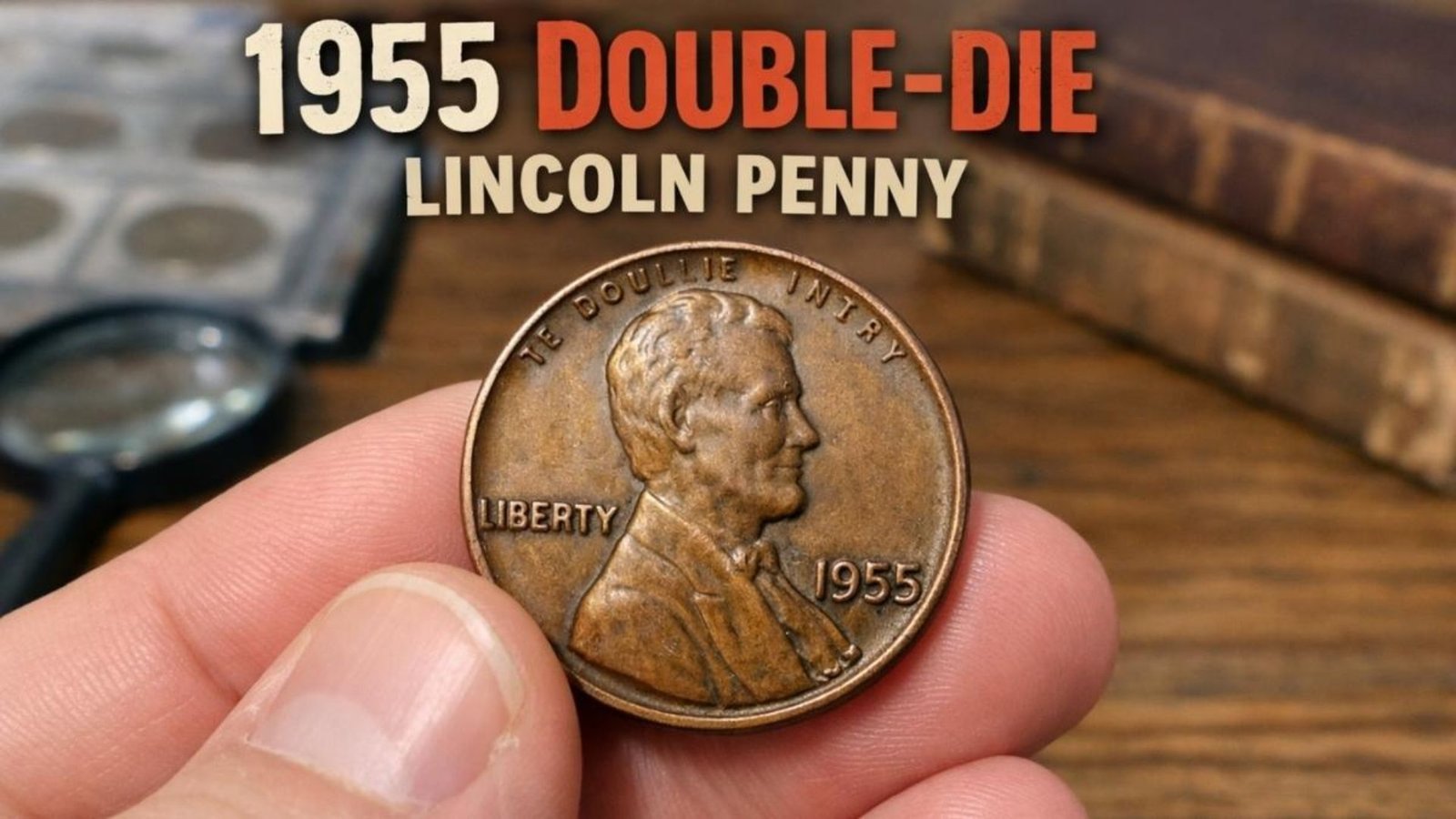
The 1995 Doubled Die Lincoln Penny is one of the most exciting modern coin finds for collectors. Imagine pulling a regular-looking penny from your pocket change, only to spot clear doubling on the words “LIBERTY” and “IN GOD WE TRUST” — that’s the thrill of this famous error coin.
Known officially as the 1995 Doubled Die Obverse (DDO) Lincoln Cent, it can turn a 1-cent piece into something worth $20 to hundreds of dollars, depending on condition. Keep reading to learn how to spot one, its backstory, current values, and tips to check your own coins — you might have hidden money sitting in a jar!
What Is the 1995 Doubled Die Lincoln Penny?
This is a Lincoln Memorial cent struck at the Philadelphia Mint in 1995 with a dramatic error: doubled lettering on the obverse (front) side. The doubling shows as thick, clear shifts — not blurry machine doubling — especially noticeable in “LIBERTY,” “IN GOD WE TRUST,” and sometimes the date. It’s listed as FS-101 by experts and remains one of the easiest modern errors to spot with the naked eye.
History and Origin of the Variety
In early 1995, a school custodian discovered the first examples in circulation, sparking huge excitement. It echoed famous past errors like the 1955 and 1972 doubled dies. The cause? A hub (master die) was impressed multiple times onto a working die with slight misalignment during the old multi-squeeze process. Thousands were minted before the error was caught — estimates suggest up to 500,000 examples exist. Media buzz made it a collector frenzy, and it was added to the Red Book guide quickly.
Why the 1995 Doubled Die Is Valuable Today
It’s the last major doubled die from the old hubbing method — the Mint switched to single-squeeze in 1997, ending such dramatic errors. While not ultra-rare, strong visual appeal and affordability keep demand high among hobbyists. Circulated examples trade for premiums, and gem uncirculated ones fetch solid prices.
How to Identify and Hunt for One
Grab a magnifying glass or loupe and check the obverse inscriptions under good light. Look for notched serifs and clear separation in letters like “GOD” or “BE” in LIBERTY. Hunt in bank rolls, old jars, or pocket change — many still turn up today!
Current Values and Price Guide
Values vary by grade and color (RD = full red luster is best).
| Grade/Condition | Approximate Value (USD) | Notes |
|---|---|---|
| Circulated (XF-AU) | $10–$30 | Common entry-level finds |
| MS65–MS66 Red | $40–$80 | Gem quality, popular |
| MS67 Red | $80–$150 | Strong luster examples |
| MS68 Red | $130–$200+ | High-end certified |
| MS69 Red (rare) | $1,000+ | Exceptional top pops |
Note: There’s also a scarcer 1995-D (Denver) variety (FS-103), worth hundreds even circulated.
Notable Facts and Records
- Tens of thousands found shortly after release, making it more accessible than older doubled dies.
- Ranked in “100 Greatest U.S. Modern Coins.”
- Still appears in auctions — recent MS68 Red sales hit $140–$200.
Expert Tips for Collectors
Start with raw examples for fun hunting, but get high-grade ones certified by PCGS or NGC for resale. Store in protective holders to preserve red color. Join coin forums or shows to trade — this variety is beginner-friendly yet rewarding.
Frequently Asked Questions (FAQs)
Is every 1995 penny doubled die?
No — only specific dies created the error; most are normal.
How much is a 1995 doubled die penny worth in poor condition?
Around $10–$20 circulated.
Can I find one in change today?
Yes — people still report discoveries!
What’s the difference from 1995-D doubled die?
The D version is rarer, with doubling on the ear/date, fetching higher prices.
The 1995 Doubled Die Lincoln Penny proves that big finds can hide in everyday coins. Its mix of history, eye appeal, and solid value makes it a must-have for rare coin enthusiasts. Grab a magnifying glass, check your change, and who knows — your next penny could be worth far more than one cent. Share your finds in the comments, hunt for more errors, or explore other Lincoln varieties. Happy collecting!