
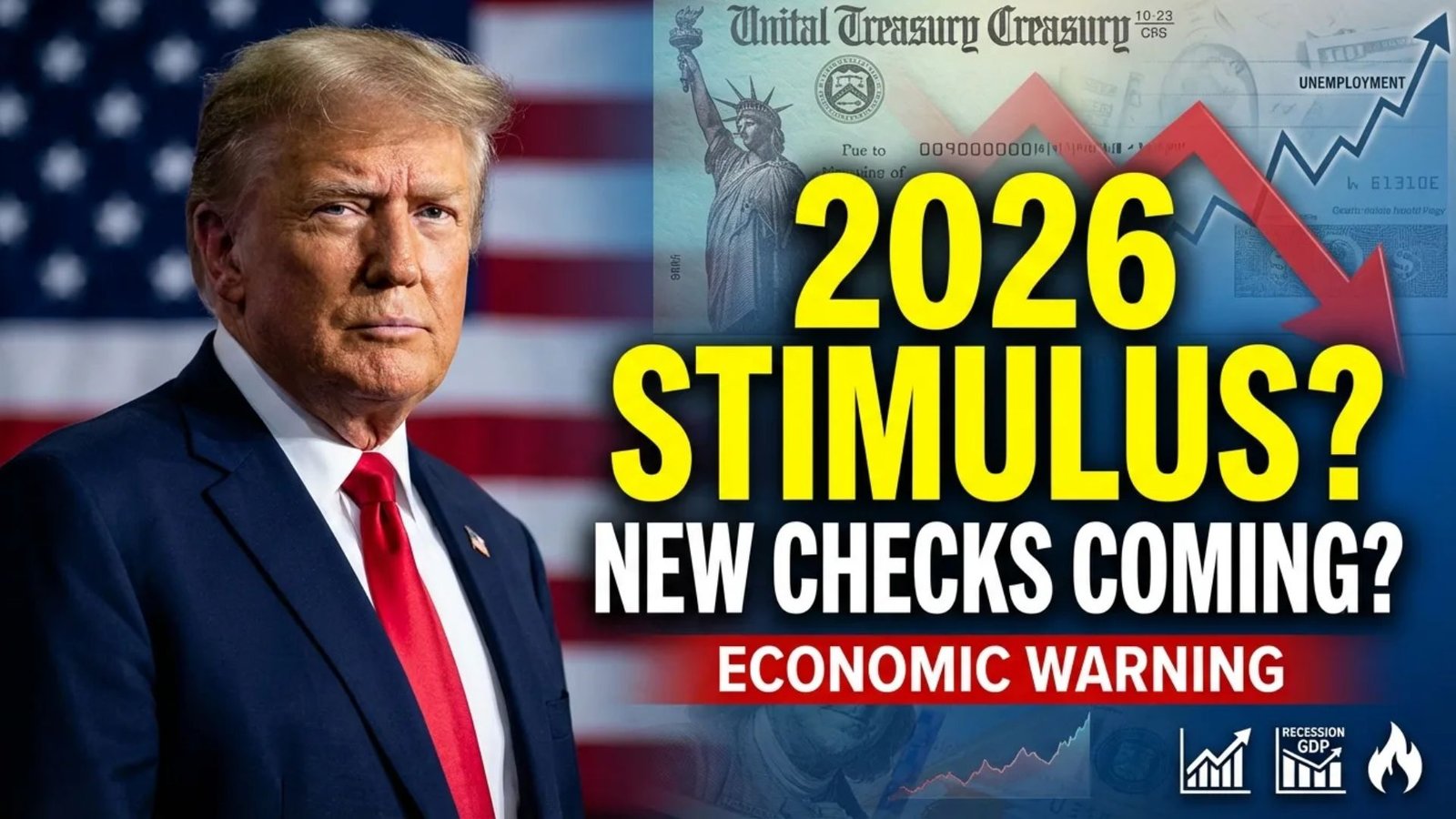
In 2026, no new federal stimulus checks have been officially approved or distributed yet. Discussions often center on proposed “tariff dividend” payments floated by President Trump, potentially $2,000 for moderate- and lower-income individuals, funded by tariff revenues. However, these remain proposals without Congressional approval or IRS confirmation as of mid-February 2026. Rumors circulate online, but experts and official sources urge caution against misinformation.
What Are Stimulus Checks?
Stimulus checks, also called economic impact payments, are direct cash from the government to boost spending during tough times. They help families cover essentials like groceries, bills, or rent when the economy falters.
History of Stimulus Payments in the US
The modern era kicked off with the 2008 financial crisis (Economic Stimulus Act payments up to $600). The biggest waves came during COVID-19: three rounds in 2020-2021 totaling up to $3,200 per person for many.
These were authorized by Congress and distributed via the IRS, often tied to tax filings or Social Security data.
Why Stimulus Checks Matter Today – Especially for Social Security Recipients
With Social Security providing critical support for retirees, disabled individuals, and survivors, extra cash can make a real difference. The 2026 COLA increased benefits by 2.8%, raising maximum SSI to $994 for individuals. But rising costs from tariffs or inflation could strain budgets, making potential relief appealing.
Economic Conditions That Could Prompt New Payments in 2026
Economists highlight scenarios where stimulus might return:
- Rising unemployment — Forecasts show rates around 4.2-4.6% in 2026, with some predicting softening job growth.
- Persistent inflation — Core inflation may hover above 2%, with tariff effects pushing prices up.
- Slow GDP growth — Projections range from 1.8-2.5%, with risks of slowdown from trade policies or labor market issues.
- Recession signals — If downturns hit (recession probability lowered but still present), direct aid could stimulate demand.
A sharp economic dip or political push (like tariff-funded rebates) might prompt action before midterms.
Table 1: 2026 Economic Forecasts Overview
| Indicator | Projected Range (2026) | Key Risk/Source |
|---|---|---|
| GDP Growth | 1.8% – 2.8% | Tariffs, consumer slowdown (CBO, Goldman Sachs) |
| Unemployment Rate | 4.2% – 4.6% | Job market softening (Vanguard, Deloitte) |
| Inflation (Core PCE) | 2.0% – 3.0%+ | Tariff impacts (CBO) |
| Recession Probability | 20% or lower | Down from prior estimates (Goldman Sachs) |
Table 2: Past Stimulus Rounds vs. 2026 Proposals
| Round/Proposal | Year | Amount per Person | Eligibility Focus | Status/Outcome |
|---|---|---|---|---|
| Economic Stimulus Act | 2008 | Up to $600 | Individuals/families | Approved & distributed |
| COVID Round 1 | 2020 | Up to $1,200 | Most adults | Approved |
| COVID Round 2 | 2020-21 | Up to $600 | Most adults | Approved |
| COVID Round 3 | 2021 | Up to $1,400 | Most adults | Approved |
| Proposed Tariff Dividend | 2026 | ~$2,000 | Moderate/lower income | No approval yet; under discussion |
How Readers Can Engage or Benefit
Stay informed via official sites like SSA.gov or IRS.gov. Update your direct deposit info for faster refunds. For Social Security folks, track COLA adjustments and earnings limits. If new payments emerge, they might use existing systems for quick delivery.
Notable Facts and Statistics
- Over 71 million receive Social Security benefits in 2026.
- Past stimulus boosted consumer spending significantly.
- Tariff proposals aim to rebate revenue but face math challenges (estimated cost $450B+ vs. projected collections).
Expert Tips and Insights
Monitor economic indicators like unemployment claims or Fed statements. Avoid scam claims promising checks—official sources never ask for payment info via unsolicited calls/texts. Budget conservatively rather than counting on unconfirmed aid.
Frequently Asked Questions (FAQs)
Will we get stimulus checks in 2026?
No confirmed plans exist yet. Proposals like $2,000 tariff dividends are discussed but lack approval.
Could Social Security recipients get extra payments?
Possibly, if new legislation passes—past rounds often included them via direct deposit.
What economic signs would trigger new stimulus?
High unemployment spikes, prolonged inflation, or recession risks could push policymakers.
Are tariff rebate checks real?
They’re proposed, potentially mid-to-late 2026, but not guaranteed or funded yet.
How do I stay updated?
Check IRS.gov, SSA.gov, or reliable news—beware social media rumors.
Strong Conclusion
While stimulus checks in 2026 aren’t happening right now, shifting economic conditions like softening jobs or tariff-driven inflation could change that. For Social Security recipients and everyday folks, staying informed helps with planning. Keep an eye on official announcements, budget wisely, and share this post if it helped clarify things. What are your thoughts—do you think new payments are likely? Drop a comment below!