
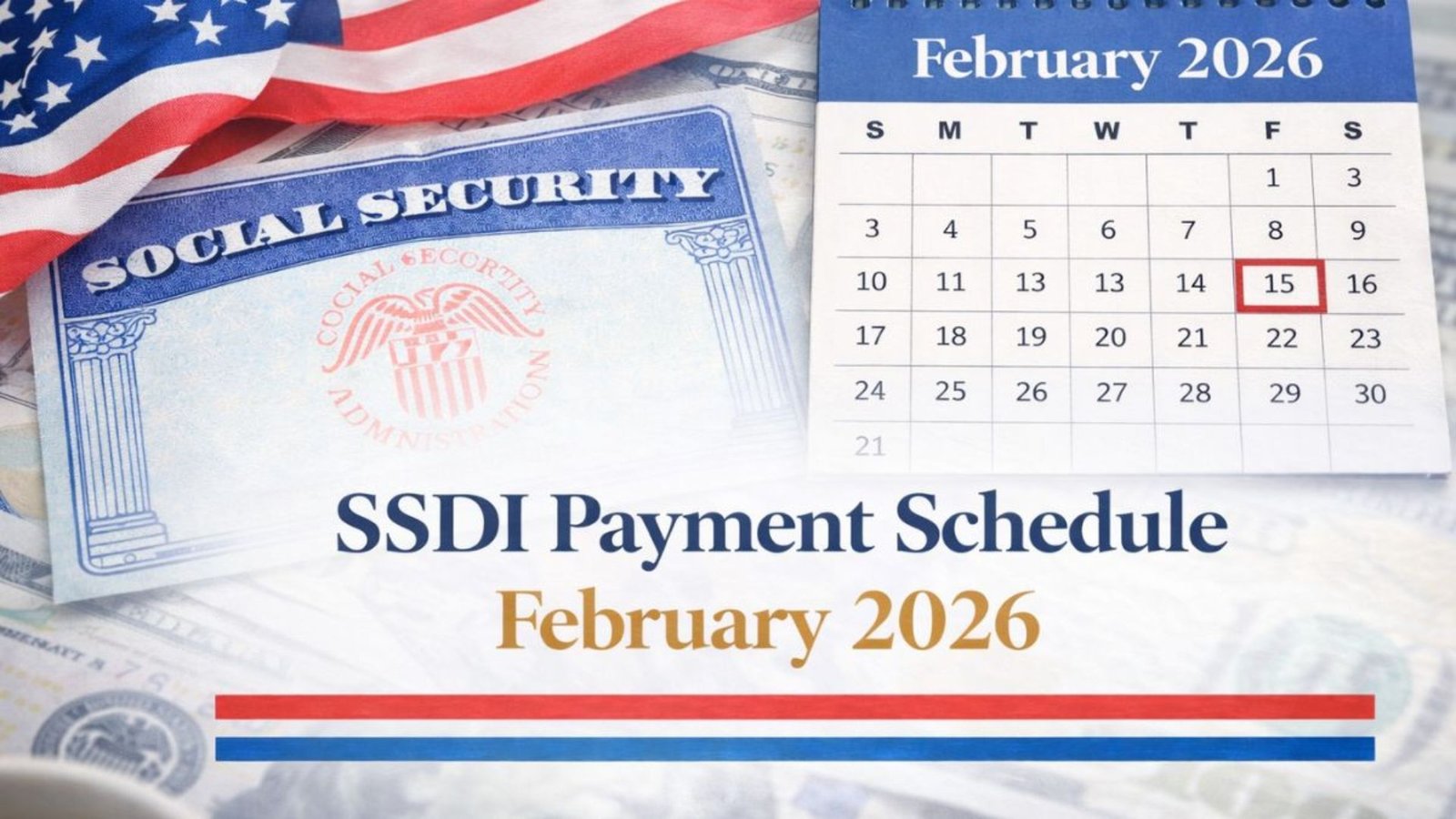
Hey friend, if you’re receiving Supplemental Security Income (SSI), you’ve probably felt the pinch of rising costs lately. Groceries, utilities, rent—they all add up fast. The good news? The Social Security Administration just confirmed a 2.8% COLA increase for 2026. This means your SSI checks are going up, helping ease some of that pressure. Stick around as we break down exactly what this means for you, when you’ll see the extra money, and tips to make the most of it. You won’t want to miss these details!
What Is SSI and the 2026 COLA Increase?
Supplemental Security Income (SSI) is a vital federal program that provides monthly cash payments to people with limited income and resources who are aged 65+, blind, or disabled. Unlike Social Security retirement benefits, SSI focuses on need-based support for basics like food, clothing, and shelter.
The 2026 COLA (Cost-of-Living Adjustment) is a 2.8% bump announced by the SSA. It helps SSI benefits keep pace with inflation, based on the Consumer Price Index for Urban Wage Earners and Clerical Workers (CPI-W).
Background on SSI and COLA Adjustments
SSI started in 1974 to replace older state programs, offering a federal safety net. COLAs began tying benefits to inflation in the 1970s to protect purchasing power.
Recent years saw bigger jumps—like 8.7% in 2023—but they’ve moderated. The 2026 2.8% COLA follows 2.5% in 2025, reflecting steady but manageable inflation trends.
Why This 2.8% SSI Increase Matters in 2026
With everyday expenses climbing, this adjustment helps millions. About 7.5 million SSI recipients will benefit, many facing fixed budgets. While not huge, the extra cash can cover rising grocery bills or medical costs. It’s a reminder that Social Security programs adapt to real-world needs.
How the SSI Payment Boost Works for Beneficiaries
SSI payments adjust automatically. For most, the increase hits with the December 31, 2025 payment (for January 2026 coverage). If you get both Social Security and SSI, timing may vary slightly.
Your exact amount depends on countable income, living situation, and state supplements. But the federal maximum rises, giving more room before reductions kick in.
Key SSI Payment Changes: 2025 vs. 2026
Here’s a clear comparison of the federal maximum SSI payment amounts:
| Category | 2025 Maximum | 2026 Maximum | Increase Amount | Increase % |
|---|---|---|---|---|
| Eligible Individual | $967/mo | $994/mo | +$27 | 2.8% |
| Eligible Couple | $1,450/mo | $1,491/mo | +$41 | 2.8% |
| Essential Person | N/A | $498/mo | Varies | 2.8% |
Resource limits stay the same: $2,000 for individuals, $3,000 for couples.
Another quick look at recent COLA history for context:
| Year | COLA % | Notes |
|---|---|---|
| 2023 | 8.7% | Highest in years |
| 2024 | 3.2% | Moderate |
| 2025 | 2.5% | Slight dip |
| 2026 | 2.8% | Upward tick |
Expert Tips for SSI Recipients
Check your SSA notice arriving in December for your personal amount. Create a my Social Security account for early digital updates.
Review countable income—some earnings exclusions help. If you qualify for state supplements, confirm with local agencies. Budget the extra wisely: prioritize essentials or small savings.
Stay updated via ssa.gov/cola for any changes.
Frequently Asked Questions (FAQs)
When do SSI checks increase in 2026?
Most see the boost starting December 31, 2025.
How much will my SSI check increase?
Up to $27 for individuals or $41 for couples at the federal max, depending on your situation.
Does this affect Medicaid or other benefits?
Usually not directly—SSI eligibility often links to Medicaid automatically.
What if my state adds supplements?
Many do; check your state’s rules for extra help.
Is 2.8% enough?
It helps, but monitor expenses and contact SSA if needed.
Wrapping Up: Stay Informed and Prepared
The 2026 SSI increase of 2.8% is a welcome adjustment for beneficiaries facing ongoing inflation. From the federal max rising to $994 for individuals, this COLA supports your daily needs. Key takeaway: Check your notice, understand your amount, and plan ahead.
Head to ssa.gov for your personalized info, share this with fellow recipients, or explore related Social Security topics. You’ve got this—stay proactive!