
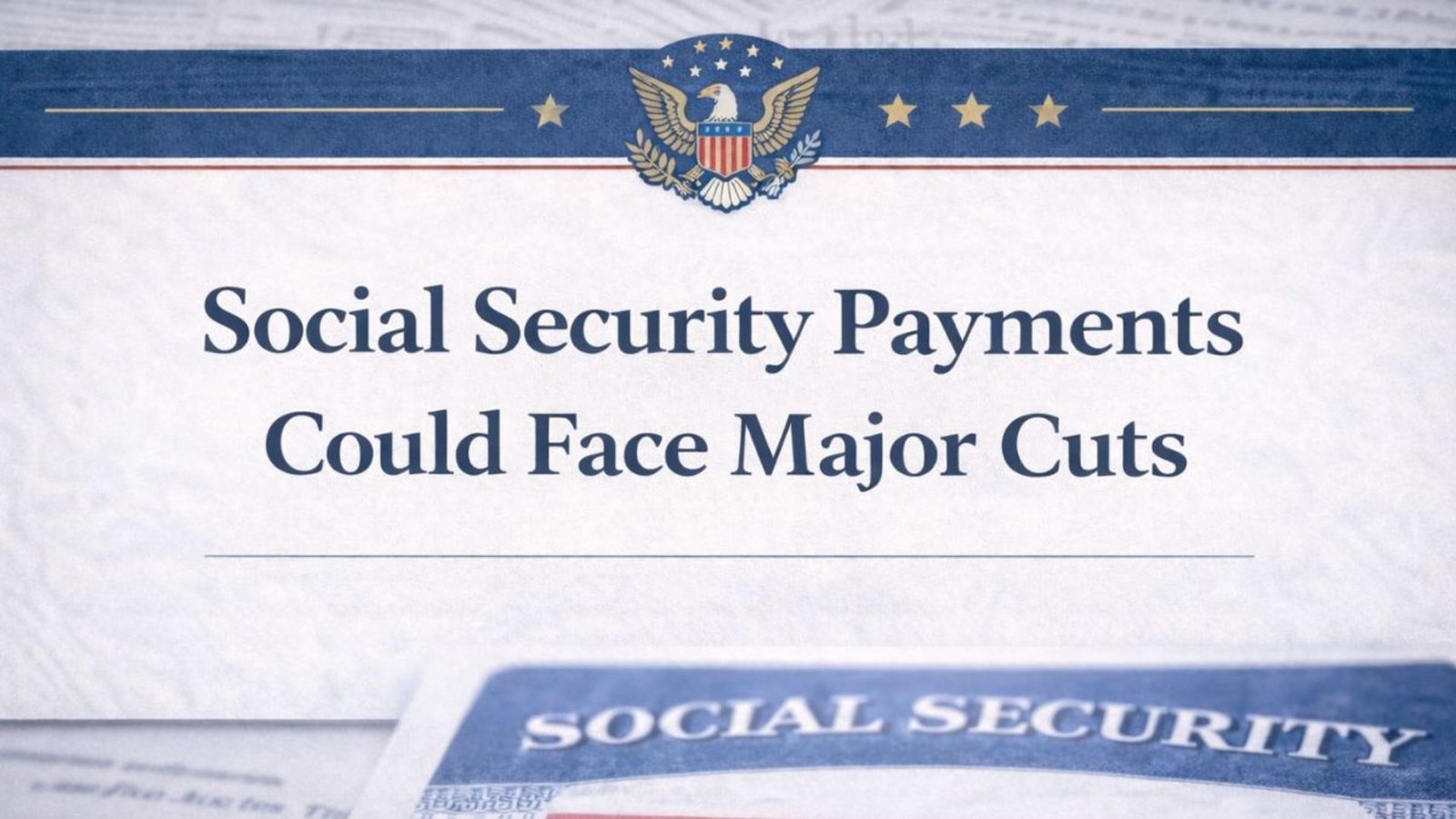
Imagine planning your retirement around steady Social Security checks, only to learn they might shrink significantly in just a few years. This isn’t a distant worry—recent projections show the program’s main trust fund could run dry by 2032, potentially triggering automatic benefit reductions. If you’re counting on Social Security for retirement income, understanding this issue now can help you prepare smarter. Stick around as we break down the facts, history, and what you can do.
What Is the Social Security Trust Fund Crisis?
Social Security, the lifeline for millions of retirees, survivors, and disabled Americans, relies on payroll taxes and trust fund reserves. The Old-Age and Survivors Insurance (OASI) trust fund—the main one for retirement benefits—is projected to deplete its reserves by 2032 according to the latest Congressional Budget Office (CBO) estimates. After that, incoming taxes would only cover a portion of promised benefits, leading to automatic cuts if Congress doesn’t act.
This isn’t bankruptcy—benefits would continue, but at reduced levels. Recent reports highlight an accelerating timeline due to demographic shifts like longer lifespans and fewer workers per retiree.
History and Background of Social Security Funding
Social Security began in 1935 under President Franklin D. Roosevelt to combat poverty in old age. It started with payroll taxes funding current benefits (pay-as-you-go). In the 1980s, reforms under President Reagan built up trust fund surpluses to handle baby boomer retirements.
For decades, surpluses grew, invested in U.S. Treasury bonds. But since 2010, costs have outpaced non-interest income, and reserves are now drawing down. Past fixes—like the 1983 amendments—show Congress can act to protect the program.
Why This Matters Today for Retirees and Workers
Social Security provides about half of income for many seniors. With inflation and rising costs, any cut hits hard—especially for those without large savings. Younger workers paying in today face uncertainty about future returns. The issue affects planning for retirement, family support, and even the economy, as reduced spending from beneficiaries could ripple outward.
How Benefit Cuts Could Work and Who Gets Hit
If no reforms occur, benefits drop to match incoming revenue. CBO projections suggest an initial cut of around 7% in 2032, deepening to averages of 28% in later years for some scenarios. SSA Trustees estimates for similar timelines point to 23-24% reductions when reserves deplete.
Everyone on benefits could see proportional cuts—retirees, survivors, disabled. Higher earners might face different impacts if reforms adjust taxes or benefits progressively.
Projected Social Security Trust Fund Depletion and Benefit Impacts
| Source | Depletion Year (OASI/Main Retirement Fund) | Estimated Benefit Cut if No Action | Notes |
|---|---|---|---|
| CBO (Recent 2026 Outlook) | 2032 | ~7% initial, up to 28% average later | Fiscal year basis |
| SSA Chief Actuary (2025/2026 updates) | Late 2032 | ~24% across-the-board | Accelerated by recent laws |
| SSA Trustees (Combined OASDI) | 2034 | ~19-23% | If funds pooled |
Pros and Cons of Potential Reform Approaches
| Approach | Pros | Cons |
|---|---|---|
| Raise Payroll Tax Cap | Targets higher earners, minimal impact on most | Could affect business costs |
| Gradually Increase Retirement Age | Reflects longer lifespans, extends solvency | Harder for manual laborers |
| Adjust Benefits for High Earners | Protects low-income retirees | Seen as unfair by some |
| No Action | Avoids immediate changes | Automatic deep cuts in 2030s |
Key Statistics and Projections
- Over 60 million Americans receive Social Security benefits.
- Trust fund reserves peaked around $2.9 trillion; now declining steadily.
- Without changes, long-term shortfall is about 3.8% of taxable payroll.
- Delaying fixes makes solutions costlier—acting early allows gradual tweaks.
What Can Be Done? Expert Insights
Experts urge bipartisan action soon: raise revenues (e.g., lift the payroll tax cap), tweak benefits, or combine funds. Many suggest phasing in changes to avoid shocks. Stay informed via ssa.gov, consider personal steps like boosting savings, delaying claiming for higher benefits, or consulting a financial advisor.
Frequently Asked Questions (FAQs)
Will Social Security really run out completely?
No—benefits won’t stop, but they’ll drop to match taxes without reforms.
How much could my check decrease?
Estimates range 20-28% depending on timing and scenario.
Can Congress fix this?
Yes— they’ve done it before in 1983. Many options exist.
Should I claim benefits early?
It depends—delaying often boosts lifetime payouts, but weigh your health and needs.
Is this just for retirees, or workers too?
It affects everyone—current workers fund it, and future benefits are at risk.
Social Security has been a cornerstone of American retirement security for nearly a century, but its funding challenges demand attention now. The good news? There’s time to act and protect it for generations. Don’t wait for headlines—review your benefits at ssa.gov, build extra savings, and share this with friends or family who rely on it. Staying informed is the first step to a more secure future. What are your thoughts—how would cuts impact your plans?