
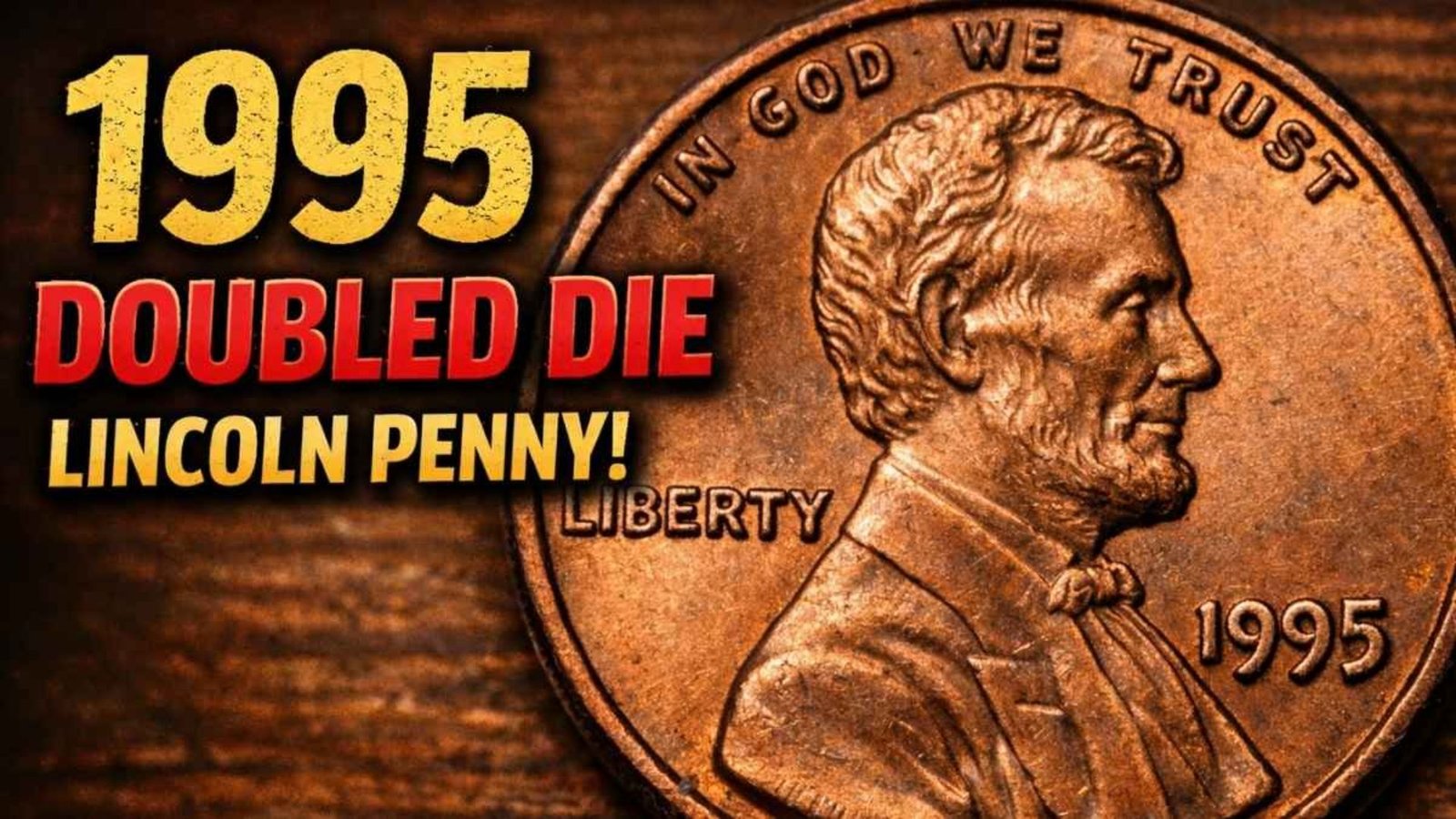
The 1995 Doubled Die Lincoln Penny is one of the most exciting modern errors in coin collecting. This famous variety, often called the 1995 Doubled Die Obverse (DDO), features noticeable doubling on key inscriptions like “LIBERTY” and “IN GOD WE TRUST.” Visible to the naked eye, it turns an ordinary penny into a sought-after treasure.
Imagine finding one in your pocket change—many collectors have! Discovered in early 1995, it sparked nationwide excitement and media buzz. While not worth millions (that’s a common myth), top examples have fetched thousands, making it a gateway to rare coin hunting for hobbyists.
Stick around as we dive into its story, value, how to spot it, and why it’s still worth checking your change today.
What Is the 1995 Doubled Die Lincoln Penny?
The 1995 Doubled Die Obverse Lincoln Cent (FS-101) shows clear doubling on the obverse (front) side. Letters appear thick or shadowed, especially in “LIBERTY,” “IN GOD WE TRUST,” and sometimes the date.
This happened during minting when the hub (master die) shifted slightly between impressions on the working die. It’s a classic doubled die error, similar to famous ones like the 1955 or 1972 varieties.
Most 1995 pennies are worth just 1 cent, but this error stands out.
History and Origin of the Error
In early 1995, collector Felix Dausilio spotted the strong doubling while searching rolls. News spread fast—prices hit $300 raw soon after.
The Philadelphia Mint struck billions of 1995 cents, but this variety emerged from a hubbing mistake. It was one of the last major doubled dies before the Mint switched to single-squeeze hubbing in 1997, reducing such errors.
Thousands surfaced in circulation, especially in the East first, then nationwide.
Why This Penny Is So Valuable Today
It’s popular among hobbyists for being affordable yet dramatic. Unlike ultra-rare errors worth millions, the 1995 DDO remains findable in change or cheap rolls.
High-grade examples (MS67-MS69 Red) command premiums due to eye appeal and certification demand from PCGS or NGC.
Values range from $20–$50 circulated to over $1,000 in pristine condition.
How to Identify and Hunt for One
Grab a magnifying glass or loupe. Look for:
- Thick, notched serifs on “LIBERTY”
- Doubling on “IN,” “GOD,” “WE,” “TRUST”
- Slight spread on the date “1995”
Search bank rolls, pocket change, or old jars. It’s still out there!
Notable Facts, Statistics, and Records
Here’s a quick comparison of values:
| Grade (PCGS/NGC) | Approximate Value (Red) | Notes |
|---|---|---|
| MS65 | $40–$75 | Common gem |
| MS67 | $90–$200 | Strong eye appeal |
| MS68 | $140–$300 | High-end examples |
| MS69 | $1,000–$5,000+ | Finest known; one sold ~$4,895 |
Regular 1995 pennies: Face value. This error: Up to thousands in top shape.
Auction highlights include MS69 Red examples hitting $1,140–$5,000+ in recent years.
A related 1995-D variety (stronger doubling) has sold for $1,500+.
Expert Tips for Collectors
- Buy certified (PCGS or NGC) for authenticity.
- Focus on “Red” color for max value.
- Store in holders to preserve condition.
- Join forums or groups to learn spotting tips.
- Start small—raw examples are fun and inexpensive.
Frequently Asked Questions (FAQs)
Is the 1995 doubled die penny worth millions?
No—top ones reach thousands, not millions. Myths exaggerate!
How rare is it?
Thousands exist, but high-grade ones are scarcer and pricier.
Can I find one in change today?
Yes! Many collectors still do.
What’s the difference from 1995-D errors?
The main one is Philadelphia (no mint mark); Denver has a separate, rarer DDO.
Final Thoughts
The 1995 Doubled Die Lincoln Penny proves even modern coins hide treasures. This error captures the thrill of coin collecting—history, luck, and potential profit in everyday change.
Grab some rolls, check your jar, or start building a set. You might uncover your own piece of numismatic excitement!