
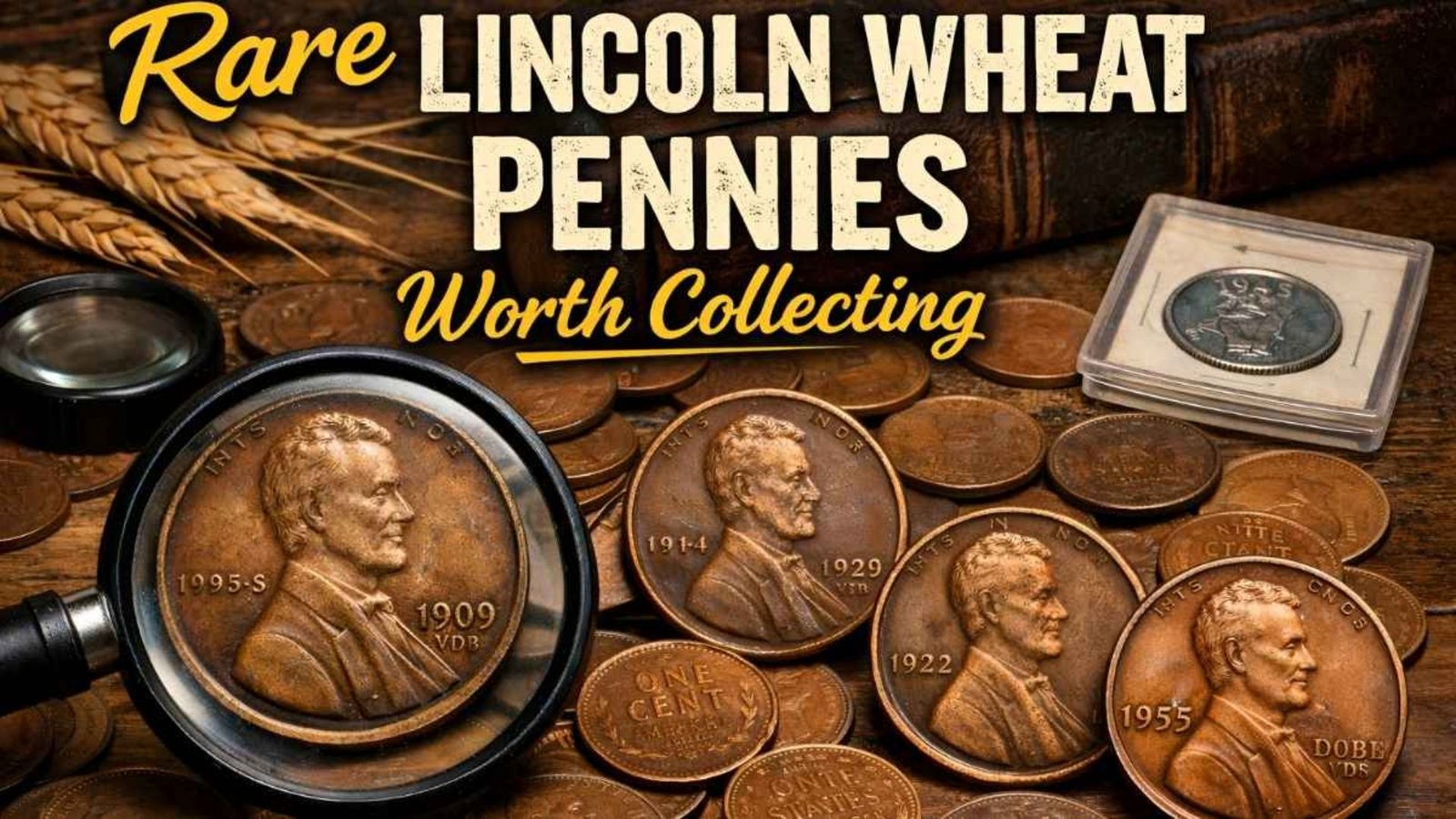
Have you ever dug through an old jar of coins and wondered if that dusty penny could be worth a small fortune? Lincoln Wheat pennies, minted from 1909 to 1958, aren’t just pocket change—they’re pieces of American history that can turn everyday finds into exciting treasures. These classic coins, with Abraham Lincoln on one side and twin wheat stalks on the other, hold stories of minting errors, low production runs, and rising collector demand. Stick around as we dive into their legacy, spotlight the rarest ones, and share a practical value guide that could help you spot your next big discovery.
Introduction to Lincoln Wheat Pennies
Lincoln Wheat pennies, often called Wheat cents or Wheat backs, were the first U.S. coins to feature a real person—President Abraham Lincoln. Issued to mark his 100th birthday in 1909, they replaced the Indian Head cent and ran until 1958. The reverse shows two wheat ears symbolizing prosperity, making them iconic for hobbyists.
A Brief History of the Lincoln Wheat Penny
Sculptor Victor David Brenner designed the coin after meeting President Theodore Roosevelt. The 1909 debut included Brenner’s initials (VDB) on the reverse, but public outcry led to their quick removal—creating the famous 1909-S VDB rarity. Production shifted during WWII (steel in 1943, back to copper in 1944), leading to famous errors. The series ended in 1958 when the reverse changed to the Lincoln Memorial.
Why Rare Lincoln Wheat Pennies Are Valuable Today
Most common Wheat pennies fetch just a few cents, but rarity drives value—low mintages, key dates, and dramatic errors like wrong-metal strikes or doubled dies. In today’s market, strong demand from collectors pushes high-grade or error examples into thousands or even millions. Factors like condition (graded by PCGS or NGC), color (red being premium), and certification boost prices significantly.
Top Rare Lincoln Wheat Pennies Worth Collecting
Here are standout rarities hobbyists hunt for:
- 1909-S VDB: Iconic first-year low-mintage gem.
- 1914-D: Denver’s scarcest regular issue.
- 1922 No D: Missing mint mark error from over-polished dies.
- 1943 Bronze: Accidental copper strike during steel year.
- 1955 Doubled Die Obverse: Bold doubling visible to the naked eye.
Value Guide Table: Key Rare Lincoln Wheat Pennies (Approximate 2026 Values)
| Coin Variety | Condition/Grade | Estimated Value Range |
|---|---|---|
| 1909-S VDB | Fine | $700 – $1,200 |
| 1909-S VDB | MS-65 | $2,500 – $4,500+ |
| 1914-D | Fine | $150 – $300 |
| 1914-D | MS-65 | $3,000 – $6,000+ |
| 1922 No D | Fine | $500 – $1,000 |
| 1922 No D | MS-65 | $10,000 – $20,000+ |
| 1943 Bronze (any mint) | Any | $250,000 – $1,500,000+ |
| 1955 Doubled Die | Fine | $1,000 – $2,000 |
| 1955 Doubled Die | MS-65 | $20,000+ |
Values vary by exact grade and market; always check recent auctions.
How to Start Collecting and Benefit from Wheat Pennies
Start simple: search pocket change, estate sales, or coin rolls for Wheat pennies. Join online forums or local clubs to learn grading basics. Benefits include fun history lessons, potential profits from flips, and building a legacy set. Many collectors enjoy the thrill of hunting errors—it’s like treasure hunting in your spare time.
Notable Facts and Statistics
Over 20 billion Wheat pennies were minted, yet key dates remain scarce. The 1943 bronze error is legendary—fewer than 20 known examples, some topping $1 million at auction. The 1955 doubled die sold for tens of thousands, proving even dramatic mistakes create collector gold.
Expert Tips for Collectors
- Always handle coins by edges to avoid fingerprints.
- Use magnification to spot doubling or mint mark issues.
- Get valuable suspects professionally graded.
- Store in acid-free holders to preserve condition.
- Focus on red (original luster) examples for max value.
Frequently Asked Questions (FAQs)
Are all Wheat pennies worth money?
No—common ones in circulated condition are worth 5–50 cents, but rarities soar.
What’s the rarest Lincoln Wheat penny?
The 1943 bronze error often tops lists, with values in the hundreds of thousands to millions.
How do I know if my penny is rare?
Check date, mint mark (S, D, or none), and look for errors like doubling or wrong metal.
Can I still find valuable Wheat pennies today?
Yes! Many turn up in old jars, rolls, or circulation—keep hunting.
Conclusion
Rare Lincoln Wheat pennies blend history, rarity, and the thrill of discovery, making them a timeless hobby. From the legendary 1909-S VDB to jaw-dropping errors like the 1943 bronze, these coins remind us that small things can hold big value. Grab a magnifying glass, check your change, and start your collection today—you might uncover a piece of the collector’s legacy. Share your finds in the comments or explore more coin guides. Happy hunting!